
How Employers Can Benchmark Group Benefits Before Renewal
Quick Summary: Benchmarking group health and employee benefits before renewal helps employers understand whether their plan remains competitive, affordable, and aligned with employee needs. By comparing plan design, employer costs, employee contributions, and market offerings, employers can make informed renewal decisions instead of simply accepting the status quo.
For Hawaii employers, a group benefits renewal is an important opportunity to evaluate more than just the premium increase. Proinsurance Hawaii helps employers take a broader view of their employee benefits strategy so they can protect their budget while continuing to offer meaningful coverage.
Why Group Benefits Benchmarking Matters
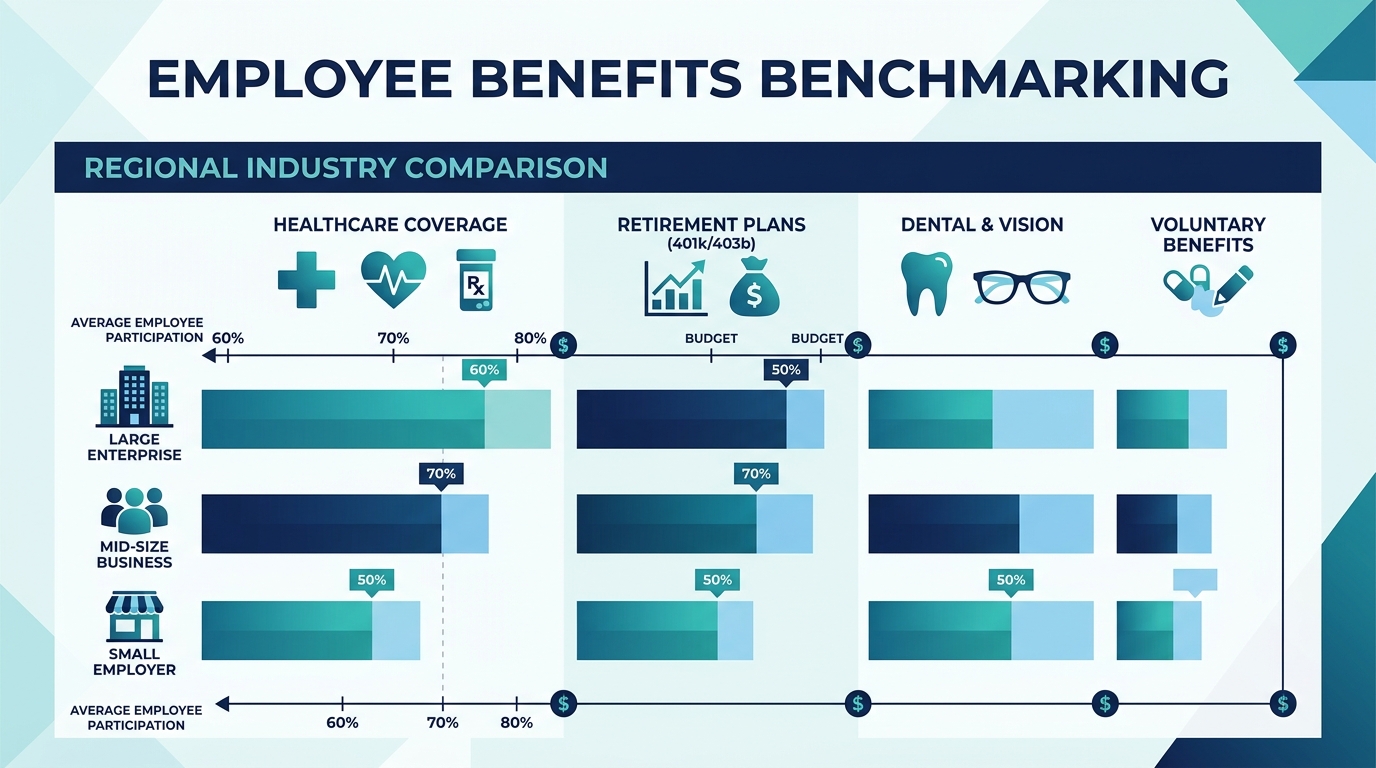
Benefits benchmarking is the process of comparing your current group health and employee benefits package against relevant market data and available plan options. It gives employers context for their renewal rates, contribution structure, coverage levels, and overall value.
Without benchmarking, it can be difficult to know whether a renewal offer is reasonable or whether there are opportunities to improve benefits, manage costs, or both. A thoughtful review can reveal where your plan is strong, where it may be falling behind, and which changes could better support your workforce.
What Employers Should Compare Before Renewal
A useful benefits benchmark goes beyond comparing monthly premiums. Employers should review how their plan performs across several areas, including:
- Medical plan options: Compare deductibles, copays, coinsurance, provider network access, prescription coverage, and out-of-pocket maximums.
- Employer and employee contributions: Evaluate how much the business pays toward coverage and what employees contribute from their paychecks.
- Total cost of benefits: Look at premiums alongside administration, participation, and the financial impact of plan design choices.
- Dental and vision benefits: Review coverage limits, network availability, employee utilization, and affordability.
- Employee assistance and wellness resources: Consider programs that support mental health, preventive care, and everyday well-being.
- Market competitiveness: Compare your offering with benefits commonly provided by similar employers in your industry, location, and workforce size.
Comparing these details helps employers avoid making decisions based on price alone. A lower-cost plan may shift more expenses to employees or limit access to the providers they rely on. On the other hand, a richer plan may be worth the investment if it supports retention, recruitment, and employee satisfaction.
Balance Employee Expectations With Your Budget
Employees increasingly view group health benefits as a central part of their compensation. They often look for practical coverage, predictable out-of-pocket costs, accessible care, and options that work for their households. If benefits no longer meet those expectations, employers may face challenges with engagement and retention.
At the same time, every business needs a sustainable benefits budget. The goal of benchmarking is not necessarily to offer the most expensive plan available. It is to identify a benefits package that provides strong value for employees while remaining manageable for the organization.
Employers can use employee feedback, enrollment data, and workforce demographics to guide that balance. For example, a team with families may place a high value on broad provider access and dependent coverage, while another workforce may prioritize lower payroll deductions, virtual care, or wellness support. Understanding what matters most can help direct benefits dollars where they have the greatest impact.
How a Benefits Review Supports Competitiveness
A regular group benefits review gives employers the chance to stay current as healthcare costs, employee expectations, and available plan options change. Reviewing benefits before renewal can help identify opportunities to:
- Maintain competitive group health coverage for current and prospective employees.
- Adjust contribution strategies to better balance employer costs and employee affordability.
- Offer plan choices that fit different employee needs.
- Improve communication so employees understand and use their benefits.
- Address gaps that could affect employee satisfaction or retention.
- Prepare for renewal negotiations with better market context.
Benefits reviews also create an opportunity to communicate the value of your total compensation package. Employees may not always recognize the full investment their employer makes in health and employee benefits. Clear, timely communication can help employees make informed enrollment decisions and better appreciate the coverage available to them.
Make Renewal Decisions With Confidence
Renewal season should not be a last-minute exercise focused only on the latest rate change. By starting early and benchmarking your group health and employee benefits package, your business can evaluate options thoughtfully, consider employee needs, and make decisions that support long-term stability.
Proinsurance Hawaii can help Hawaii employers review their current group benefits, compare available options, and build a benefits strategy that supports both employees and the business. Schedule a group benefits review with our team to prepare for your next renewal with confidence.