
Using Group Benefits to Support Preventive Care and Chronic Conditions
Quick Summary: Group health benefits can help employers support preventive care and chronic condition management by making it easier for employees to understand and use the care available to them. Clear plan education, accessible preventive visits, prescription coverage, wellness resources, and consistent communication can help employees make informed health decisions. For employers, a workforce that understands its benefits may be better positioned to seek care early and manage ongoing health needs.
Make Plan Education a Priority
A health plan provides the most value when employees know how to use it. Benefits terminology, provider networks, deductibles, copays, and prior authorization requirements can be confusing, especially for employees who are enrolling in coverage for the first time or choosing among several plan options.
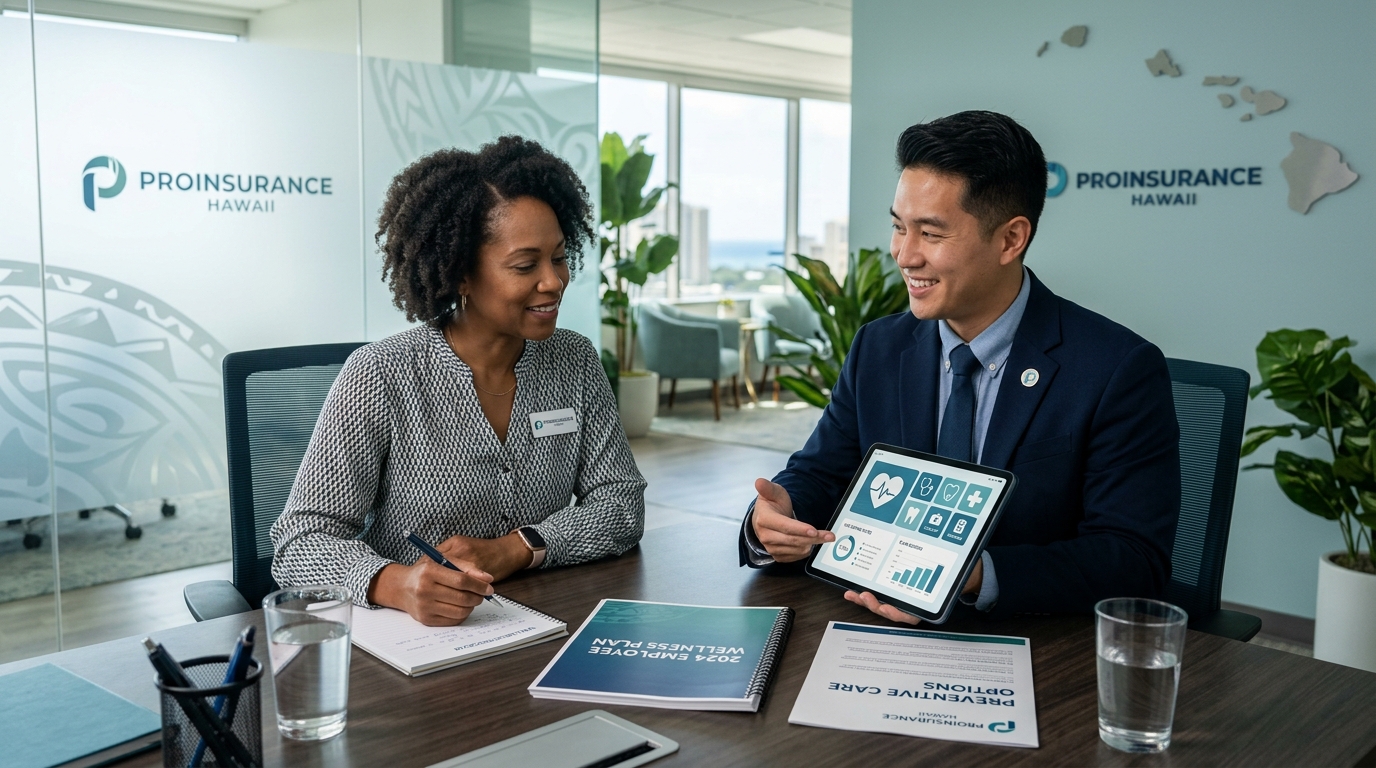
Proinsurance Hawaii can help employers present group health benefits in a more understandable way. Enrollment materials, plan comparison guides, and employee education sessions can help team members identify which services are covered, how to locate in-network providers, and where to turn when they have questions. When employees have a clearer understanding of their coverage, they may be more likely to use it confidently.
Encourage Preventive Visits and Screenings
Preventive care is an important part of maintaining long-term health. Many group health plans include coverage for certain preventive services, such as annual wellness visits, routine screenings, immunizations, and age-appropriate health assessments, often with limited or no out-of-pocket cost when employees follow plan requirements.
Employers can reinforce the value of preventive care by reminding employees to schedule annual checkups and review the preventive services available through their plan. Early screenings and routine visits can help employees discuss health concerns with a provider before those concerns become more difficult to manage.
Support Chronic Condition Management
Employees managing chronic conditions such as diabetes, high blood pressure, asthma, or heart disease may need regular appointments, testing, medication, and ongoing guidance from health professionals. A well-designed group health benefits strategy can help employees access the services they need to stay engaged in their care plans.
When reviewing plan options, employers should consider factors such as provider network access, specialist coverage, care management programs, telehealth availability, and prescription benefits. These features can make it easier for employees to coordinate care and maintain continuity with the providers who support their health needs.
Help Employees Understand Prescription Coverage
Prescription coverage is often a central part of chronic condition management. Employees may need help understanding formularies, pharmacy networks, generic medication options, mail-order programs, copay tiers, and any authorization requirements that apply to their prescriptions.
Clear communication about pharmacy benefits can reduce confusion and help employees know where to find plan-specific information before they need to fill or refill a prescription. Employers can also direct employees to carrier resources or benefits contacts when questions arise, rather than leaving them to navigate coverage details alone.
Highlight Wellness and Care Support Resources
Many group health plans offer resources beyond traditional medical coverage. Depending on the plan, these may include health coaching, digital wellness tools, nurse advice lines, mental health support, condition-specific programs, telehealth services, and discounts related to healthy living.
These resources can complement an employee’s relationship with their health care provider and offer practical support between appointments. Employers can increase participation by regularly sharing what is available, who may benefit, and how employees can access each resource confidentially.
Communicate Benefits Throughout the Year
Benefits communication should not end after open enrollment. Employees often need information when a new health concern arises, a prescription changes, or they need to schedule care. Short, timely reminders throughout the year can make benefits feel more accessible and relevant.
Consider using a mix of communication channels, including email updates, internal newsletters, benefits portals, meetings, and simple one-page reference guides. Topics might include how to find an in-network provider, when to use telehealth, how preventive care works, or where to find behavioral health resources. Communications should be clear, respectful of privacy, and focused on helping employees locate support.
Build a More Informed Workforce
Better benefits understanding can support a healthier, more confident workforce. When employees know what their group health plan covers and how to access care, they can make more informed decisions for themselves and their families. For employers, that can strengthen the overall value of the benefits package and demonstrate a meaningful commitment to employee well-being.
Review your group health benefits with Proinsurance Hawaii to identify opportunities to improve plan education, preventive care access, chronic condition support, and year-round employee communication.